Loading chart data
Loading chart data
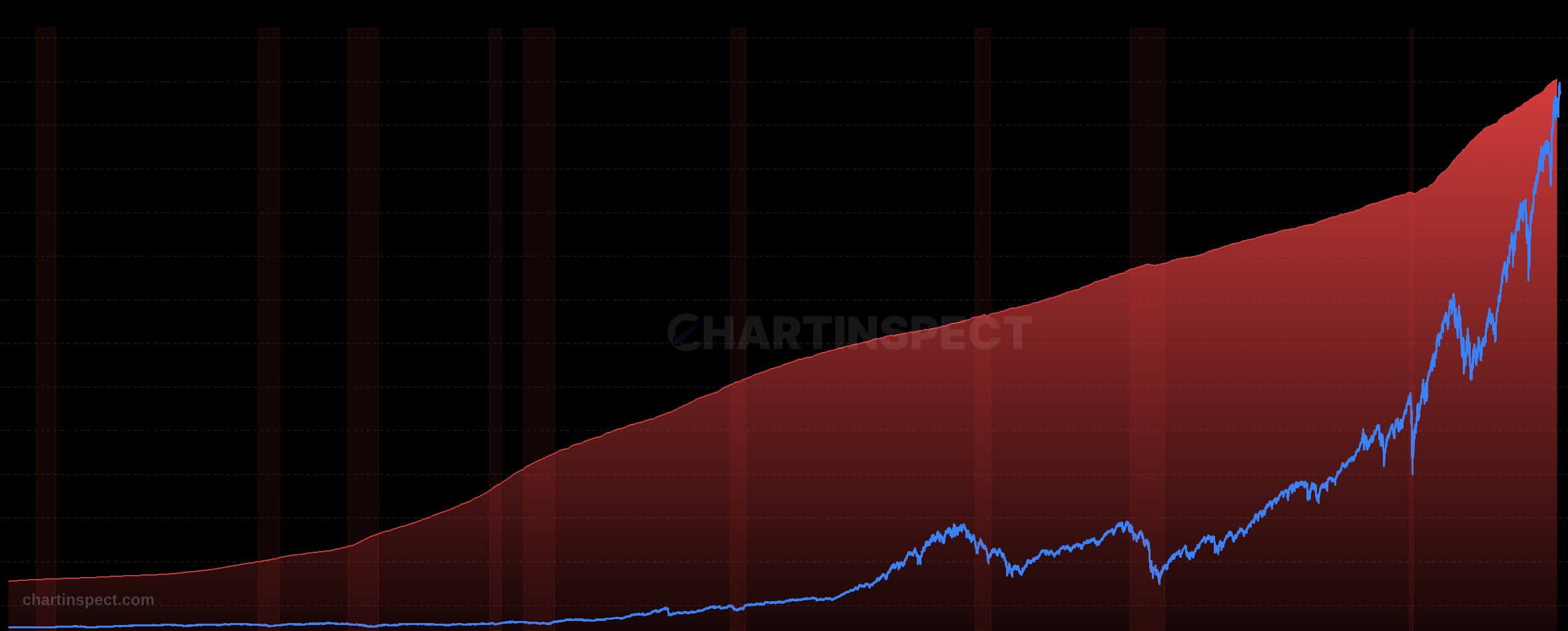
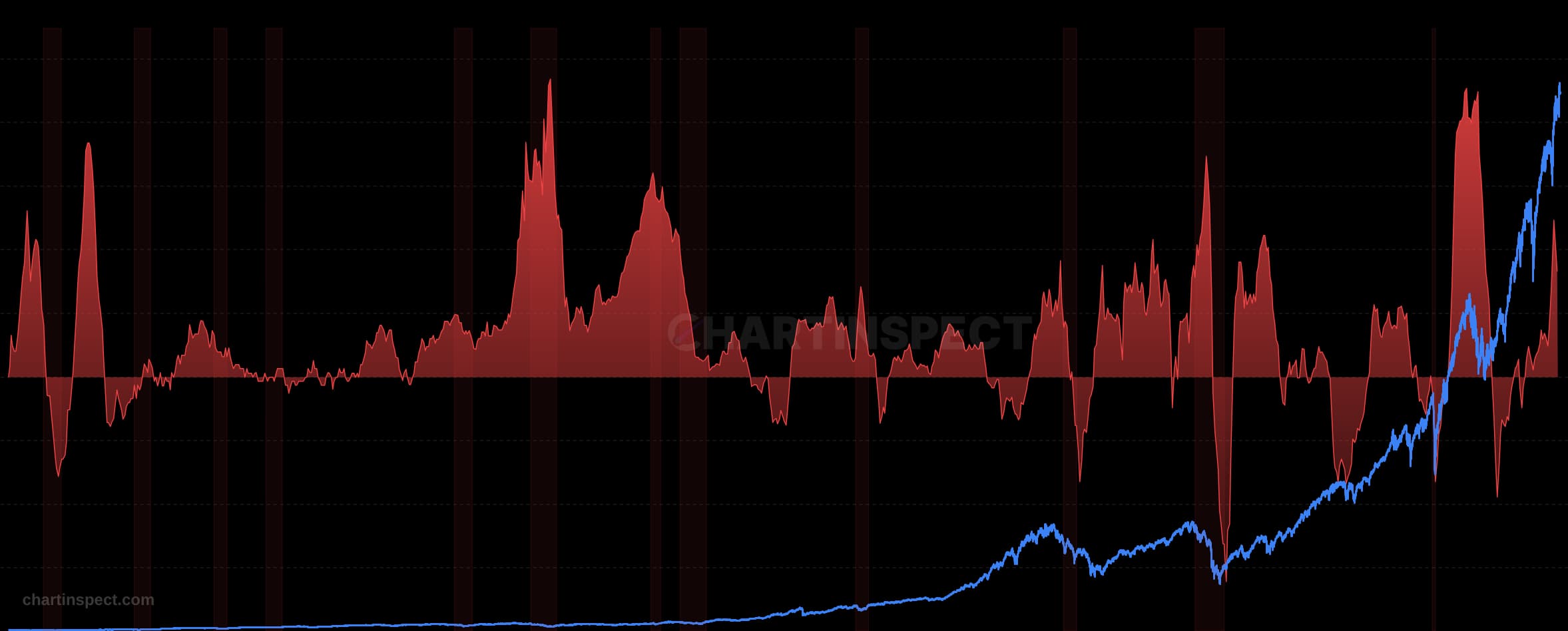
About PCE Price Index
PCE is the Fed's official inflation target measure, not CPI. Two differences matter: PCE reweights its basket as consumers substitute away from what got expensive, and it covers spending made on households' behalf such as employer-paid healthcare. Both effects mean PCE typically runs 0.2-0.4 points BELOW CPI, so a 3% CPI print can sit alongside a 2.6% PCE. The Fed's 2% target refers to this series, which is why it moves policy expectations more than CPI does.
Freshness: Not yet verified
Community snapshot
No community calls on PCE Price Index yet. Be the first to share a take.
Related Analytics
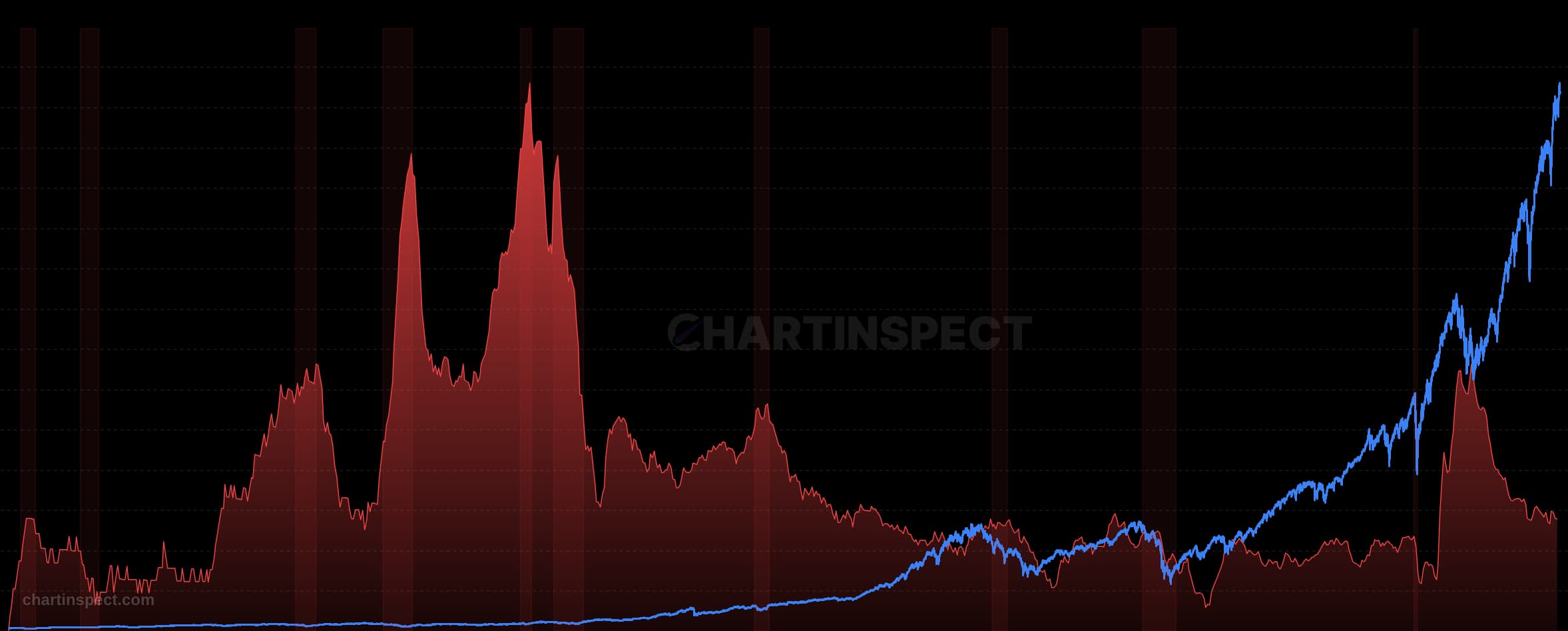
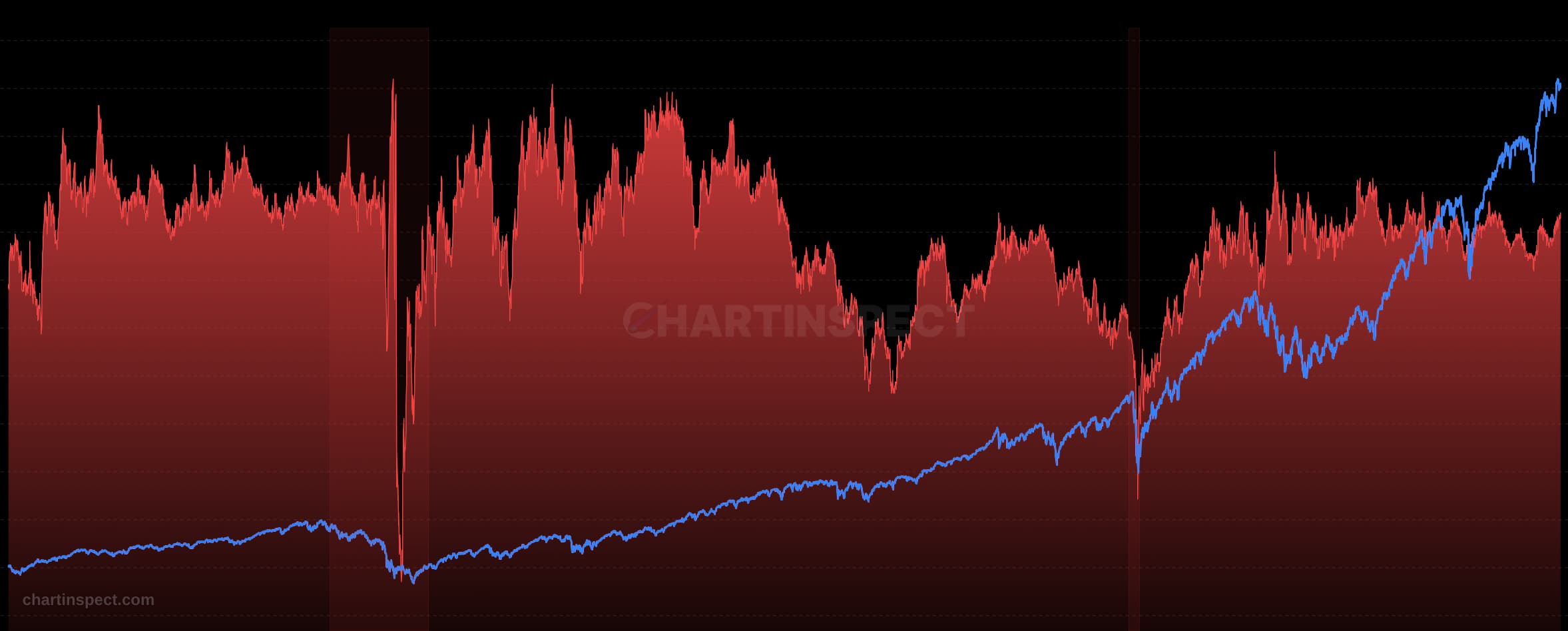
Discover more insights with our comprehensive chart collection
Explore All 9143 Charts