Loading chart data
Loading chart data
About Labor Force Participation Rate
The labor force participation rate is everyone working or actively looking, divided by the civilian population aged 16+. It is the denominator behind the unemployment rate, which is why the two can move in misleading ways: unemployment falls when discouraged workers stop looking, because leaving the labor force removes them from the count entirely. Participation peaked near 67% in 2000 and has trended down with demographics, so read changes against that trend rather than against the level.
Freshness: Not yet verified
Community snapshot
No community calls on Labor Force Participation Rate yet. Be the first to share a take.
Related Analytics
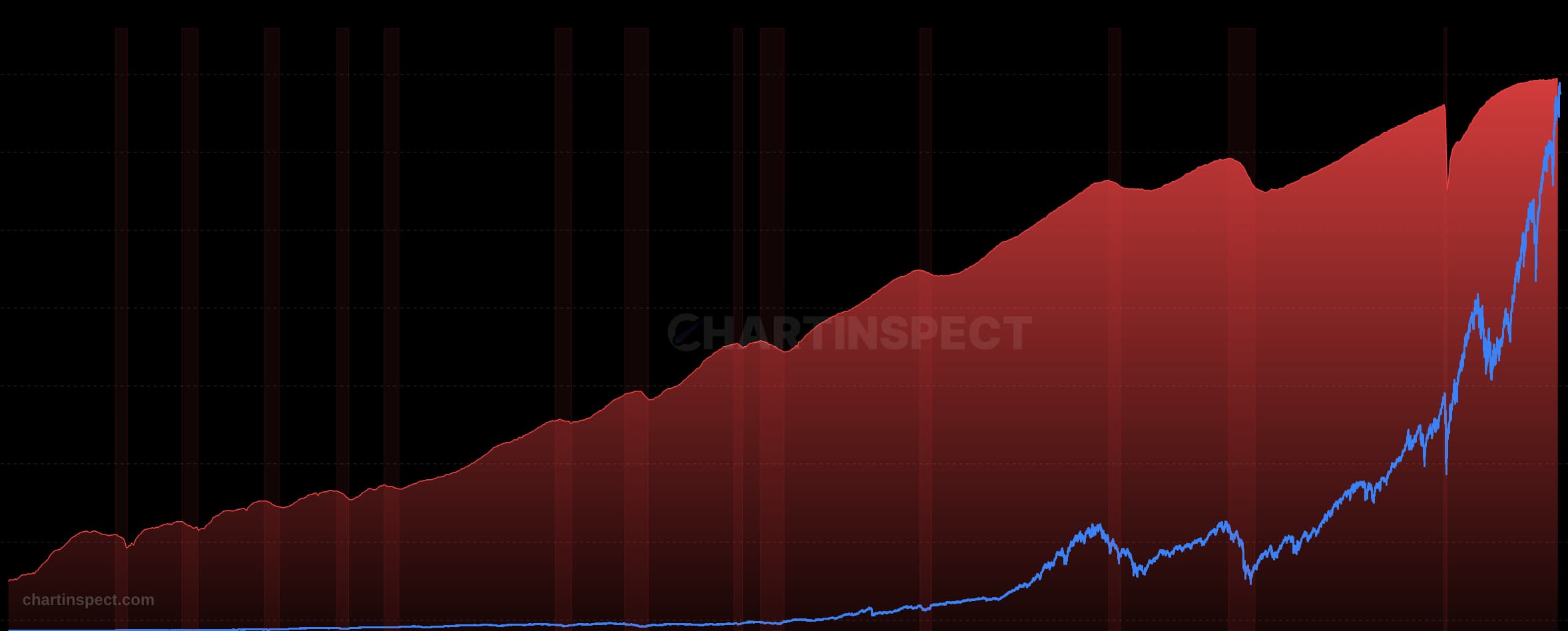
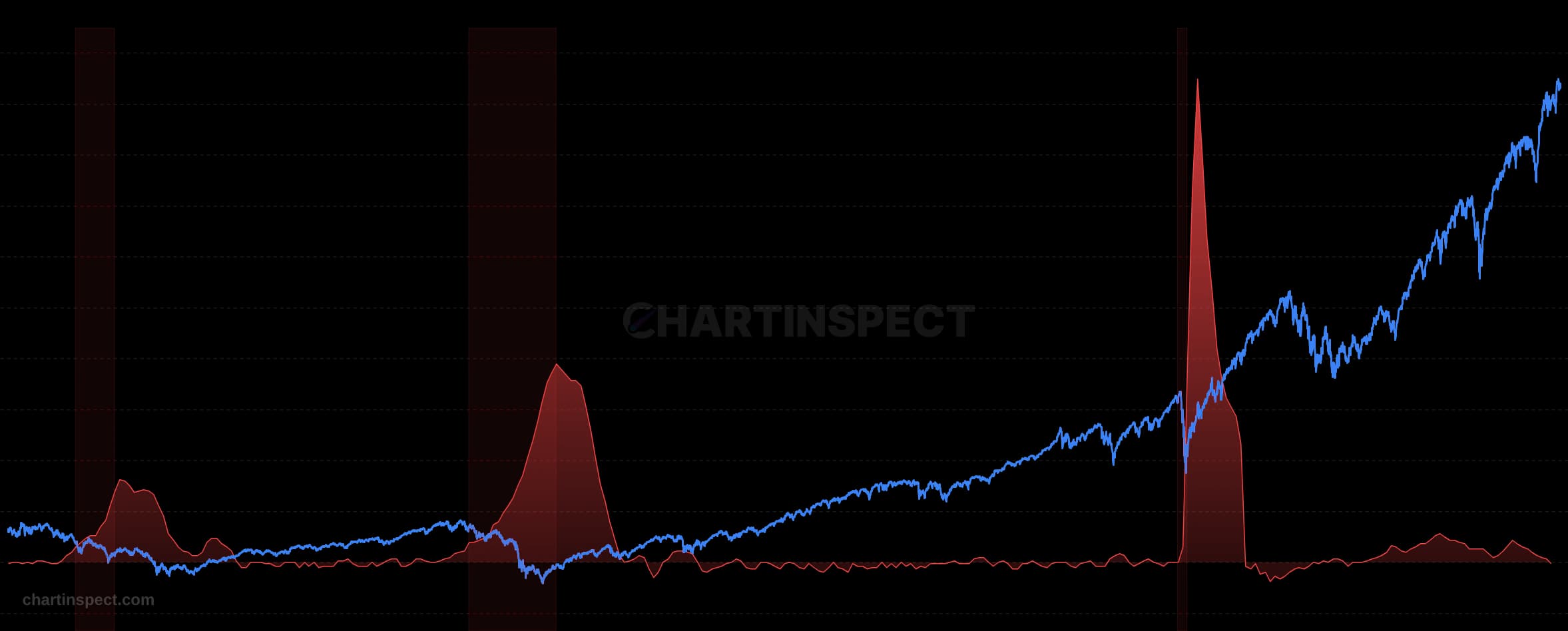
Discover more insights with our comprehensive chart collection
Explore All 9143 Charts